
Travel Sling Guide
Best Sling Bags for Travel and City Walking
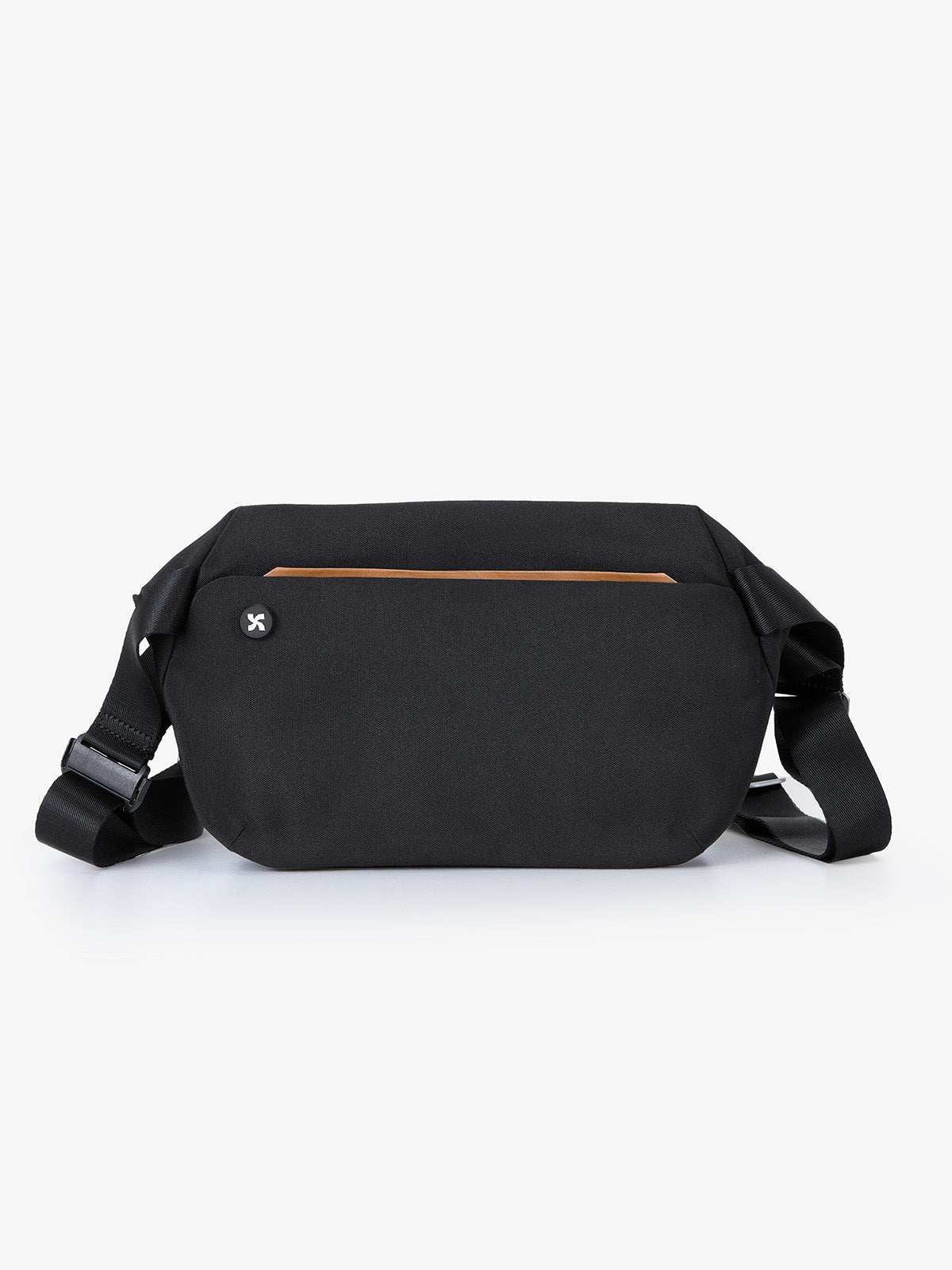
The best sling bag for travel is compact enough to stay out of the way, but useful enough to carry your daily essentials without bulging. For city walking, sightseeing, errands, and short travel days, a sling bag can be easier than a backpack.
This guide explains how to choose a travel sling bag and compares MOPAK options including the Wanderer Sling, Wanderer Sling Grande, Osaka Sling, and Wisp Sling.

Quick Answer
A good travel sling bag carries phone, wallet, passport, keys, sunglasses, charger, and small daily items while staying comfortable across the chest or back.
What to Look For
Right-sized capacity
Too small and the bag becomes frustrating. Too large and it starts behaving like a backpack with less comfort. Choose based on what you truly carry.
Secure pockets
Travel and city walking often mean crowds. A secure main compartment and sensible interior pockets matter.
Comfortable strap angle
The strap should sit naturally across the body. A sling that pulls on the neck will not be pleasant for long walks.
Water bottle or daily item fit
If hydration matters, consider a sling designed for bottle carry. See our sling bag with water bottle holder guide.
How to Choose Based on Your Daily Routine
For work and commuting
Start with the items that must be protected every day. If you carry a laptop, charger, notebook, bottle, and personal items, choose a bag with enough structure to separate tech from loose objects. If your workday includes public transit, walking, or biking, comfort matters as much as capacity because the bag will spend real time on your body, not just beside your desk.
For travel and long city days
Travel changes what a bag has to do. It needs to move through airports, train stations, hotel lobbies, museums, restaurants, and crowded sidewalks without feeling awkward. Secure closures, easy-access pockets, and lightweight materials become more important than maximum storage. A bag that is slightly smaller but easier to wear often performs better than a larger bag that is tiring by mid-afternoon.
For errands and weekend carry
On weekends, the best bag is usually the one you do not have to think about. It should fit phone, wallet, keys, sunglasses, sanitizer, a small pouch, and a few flexible extras. If you often leave with a light load and return with more items, choose a design that has a little expansion room without looking collapsed when it is not full.
Common Buying Mistakes to Avoid
Buying only for maximum capacity
A bigger bag is not automatically more useful. Extra space can encourage overpacking, and overpacking is the reason many daily bags become uncomfortable. For everyday carry, buy for your normal day first and your rare heavy day second.
Ignoring how the bag opens
Access is part of comfort. If you need to remove the bag, unzip several compartments, or dig through a dark interior every time you need your keys, the bag will feel slower than it should. A practical daily bag lets you reach frequent-use items quickly while keeping valuables protected.
Choosing style and function separately
A bag you love visually but dislike using will stay in the closet. A bag that functions well but does not fit your wardrobe will also get skipped. The best everyday bag sits in the middle: useful enough for the day and simple enough to wear often.
Forgetting the full carry system
Most people do not need one bag to do everything. A strong carry system might include a backpack for work, a sling for walks, a tote for lighter days, and a pouch for cables or small gear. When choosing this item, think about how it works with the bags you already own.
A Simple Fit Check Before You Buy
Before choosing, write down the five items you carry almost every day and the three items you carry only sometimes. The bag should handle the everyday five easily. The occasional three should fit when needed, but they should not force you into a larger, heavier design for every single day.
Then think about your longest normal carry period. If you walk for 10 minutes, your priorities are different from someone who walks for an hour or rides a bike across the city. Comfort problems rarely show up in product photos; they show up after repeated use. That is why weight, strap design, and access matter so much in real everyday carry.
When This May Not Be the Right Bag
Even a well-designed bag is not right for every situation. If you regularly carry heavy camera gear, a large laptop, shoes, gym clothes, and multiple bottles, you may need a larger dedicated backpack or duffel instead of a compact daily option. If you only carry phone, cards, and keys, a smaller sling or mini bag may be easier than carrying extra unused space.
It also helps to separate daily carry from specialty carry. A bag for flights, hiking, or overnight packing has different requirements from a bag for errands and work. When one bag tries to solve every possible scenario, it often becomes heavier and less pleasant for the everyday use case that matters most.
Care, Packing, and Long-Term Use
How you pack a bag affects how long it stays comfortable. Put heavier items close to the body or lower in the main compartment when possible. Keep sharp objects away from soft fabric areas, and use a small pouch for cables, pens, cosmetics, or loose accessories that can scratch the interior over time.
For daily maintenance, empty the bag once a week and remove receipts, wrappers, and items you no longer need. This small habit keeps the bag lighter, protects its shape, and makes every pocket easier to use. If the bag uses water-repellent fabric, wipe it with a damp cloth after light dirt or rain rather than over-washing it. A practical everyday bag should age through use, not through neglect.

Comparison Guide
| Choice | Best for | Note |
|---|---|---|
| Compact sling | Phone, wallet, keys, light errands | Wisp Sling |
| Everyday sling | Daily city carry, travel essentials | Wanderer Sling, Osaka Sling |
| Larger sling | Extra layer, bottle, camera, longer walks | Wanderer Sling Grande |
MOPAK Sling Bag Picks


Final Advice
Choose a sling bag when you want fast access and hands-free movement. Choose a backpack if you carry a laptop or heavier gear. Choose a tote if you want open access and a softer work look.
FAQ
Are sling bags good for travel?
Yes, especially for city trips, sightseeing, airports, and everyday essentials.
Is a sling bag better than a backpack?
For light carry, yes. For laptop or heavy loads, a backpack is usually better.
Can a sling bag fit a water bottle?
Some can. Check the product design and bottle size before buying.
What should I carry in a travel sling?
Phone, wallet, passport, keys, sunglasses, small charger, tissues, and other quick-access essentials.
發表評論